• By Kaitlyn Reyes

    Many companies have turned to social media to market their promotions and interact with their loyal following. In many cases, we have seen brands congratulate and praise their rivals on their successes. Wendy’s Twitter account is infamous for its specialty in congratulating other competitors. However, it is what lies beneath the surface that Wendy is actually getting at. Wendy’s approach of enhancing its image by praising competitors is unlike that of many others. Wendy’s and McDonald’s have had a long-standing feud for years. In 2018, McDonald’s announced that a majority of its locations would use fresh beef for its quarter-pounders (Cosby, 2024). Wendy went to Twitter to congratulate McDonald’s by wishing them a happy National Frozen Food Day. Although this tweet was written as a positive appraisal of McDonald’s, Wendy’s did not genuinely mean it. This tactic received a strong consumer response, encouraging them to show their support and admiration for Wendy’s.

    In traditional scenarios, consumers are more likely to favor competitor praise because it signals brand security. A brand that is secure in its business will have no issue sharing the limelight with its competitors. It shows that a company is loyal and devoted to its following and can also share them with other brands without worry. The thin-slicing theory enables consumers to make quick, positive connections with those who praise other brands. Consumers would rather support brands that have a positive reputation.

    Brands must be careful with how they release their statements of praise. For rival brands to quickly change and show appreciation and support for one another, it may come off as ingenious. Many consumers may not appreciate the fakery and may judge that brand and its motives. For Wendy’s faceitious remarks, the fake praise works in their favor as it is an apparent underlying attack. Brands must be clear with what they are communicating to ensure consumer loyalty.

    References:

    Cosby, D. (2024, December 16). The One McDonald’s burger that’s never frozen. Tasting Table. https://www.tastingtable.com/1728405/mcdonalds-quarter-pounder-burger-never-frozen/

  • By Kaitlyn Reyes

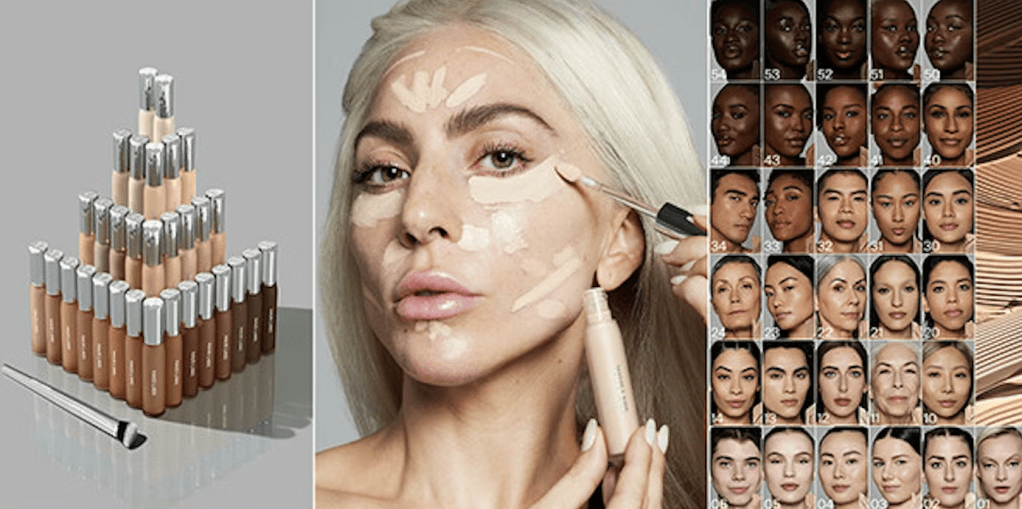
    Haus Labs is a cosmetic brand founded by Lady Gaga. It offers clean makeup that fosters creativity and artistry. Haus Labs’ mission is to encourage its consumers to express their individuality and empower themselves.

    Haus Labs’ Market Segments

    Haus Labs’ demographic is Generation Z and Millennials. Their target market is ages 18-35. The brand prides itself on inclusivity for diverse skin tones and gender expression (Bavaresco, 2024). Haus Lab is available online and in stores through its personal website and Sephora. It is headquartered in the United States, with its primary geographic location being the United States. Haus Labs has strong psychographic segmentation strategies as its values are clean beauty and inclusivity. Haus Labs is cruelty-free and vegan. It supports diversity and creativity. The behavioral segmentation is not as prominent with Haus Labs, but through its partnered retailer, Sephora. Sephora has a rewards program for customers who purchase Haus Labs through them, allowing them to collect points that can be redeemed for store credit.

    Key Points for Market Segmentation Strategies

    A successful business must be able to adapt and change each of its market segments throughout its career. It is crucial not to stay stuck in ways that trap your business and keep it stuck in time. Without welcoming appropriate change, consumers may outgrow their business and take their loyalty elsewhere. Although change is good, a company must not change its values and morals unless it is for the better. Customers align themselves with the brands they purchase from. If a company swiftly changes its beliefs and ethics, it will lead to a significant drop in customer retention. A company needs to have strong ethics and morals. A demographic segmentation can be altered at any time. A company might see benefit in growing with its initial audience. On the contrary, a company may not yield the amount of profit it needs from the original demographic. Tailoring the demographic over time can improve sales and increase customer loyalty. A behavioral segmentation strategy is often overlooked in newer companies. Offering promotional codes and a loyalty program can foster a strong customer-company relationship. It will create a community around the brand and a strong brand reputation.

    A New Market Segment

    A market segment worth exploring is refillable makeup products. Most makeup does not last over a few months and is packaged in tons of plastic. Almost all of the packaging is meant for single-use; once the makeup runs out, it is trash. Brands should develop refillable packaging to reduce waste. The refills will come in smaller cartridges or pans that can be placed within the larger package. These refill cartridges and pans can also be sent back for cleaning and recycling for other orders. Companies can adopt a recycling program that offers points for store credit or discounts, encouraging sustainable practices. Refillable makeup is environmentally conscious by reducing waste and lowering the carbon footprint.

    Reference

    Bavaresco, R. (2024). Promoting inclusivity through makeup: Haus Labs’ social media strategy. Promoting Inclusivity Through Makeup: Haus Labs’ Social Media Strategy. https://www.dtcpatterns.com/dtc-patterns-articles/promoting-inclusivity-through-makeup-haus-labs-social-media-strategy#:~:text=Haus%20Labs%20utilizes%20their%20Instagram,and%20nurtures%20an%20inclusive%20community.

  • Over the past few years, I have noticed a change in my buying habits. With returning to school and all the expenses that come with it, I have become more conservative with my spending. When using VALS, I would now classify myself as a maker, while before I was an experiencer. Before having to pay for school and the many expenses, I would spend my paychecks on trips and concerts. I no longer have the freedom to spend my money on experiences; instead, I have to be picky with my choices. My hobbies now include baking, painting, and gardening, and my spending is now centered around these activities. I would rather spend on a craft that I could share with others than on a one-time experience. 

    My Purchasing Influences

    There are several factors that I now must consider before I make a purchase. I must decide how much value the item would bring to my every day life. I tend to lean towards items that can be used on a daily basis rather than a one time use. If I am not comfortable making a large purchase, I tend to wait a few days to see if I am still thinking about the item. If I have forgotten about it and had to be reminded of it, I know that I do not need to make that purchase. I am very particular about the items I purchase as I do not have the room to buy items I do not need. 

    The Purchasing Stage

    The stage of evaluation of alternatives is when I decide which product to purchase. With a need to be mindful of my spending habits, I always try to find the best deal for the product I want. Reviews are my favorite thing to consider when comparing different products. Having real customers’ opinions and feedback helps me choose the correct option for myself. I like to compare prices and check other stores to see if they offer special prices. 

    Buying Decision Influences

    With market research, I tend to look for consumer-based opinions. I like to consider products that have a great customer-to-business relationship and loyalty. Another thing I research for is ingredients. I prefer to use clean and environmentally conscious products and brands. If a brand does not share the same morals and values as I do, I will not be purchasing from them. It is crucial to buy from ethical companies.